
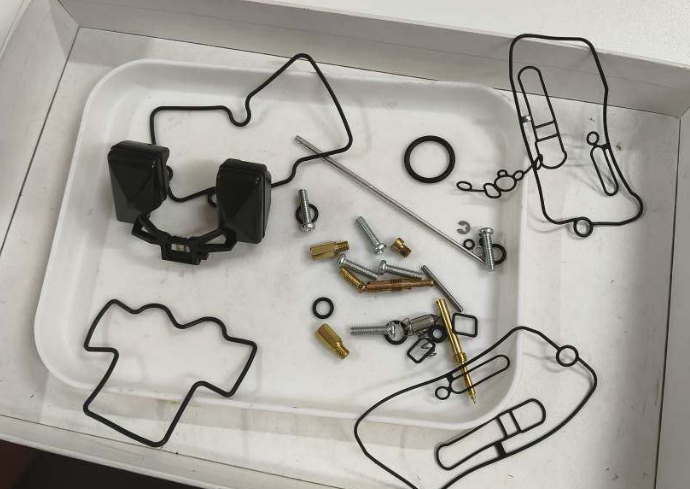
Open a return package from any motorcycle parts seller and you will often find the same thing: a carburetor repair kit in good condition, with clean gaskets and correctly sized jets, sent back because it did not fit the bike it was sold for.
The product was not defective. The data was.
For importers, distributors and e-commerce sellers, that distinction matters more than it sounds. Purchase price is easy to negotiate. Returns, replacement shipping, negative reviews and support tickets are not. Fitment errors quietly eat the margin that careful sourcing was supposed to protect.
Fitment is a data problem, not a quality problem
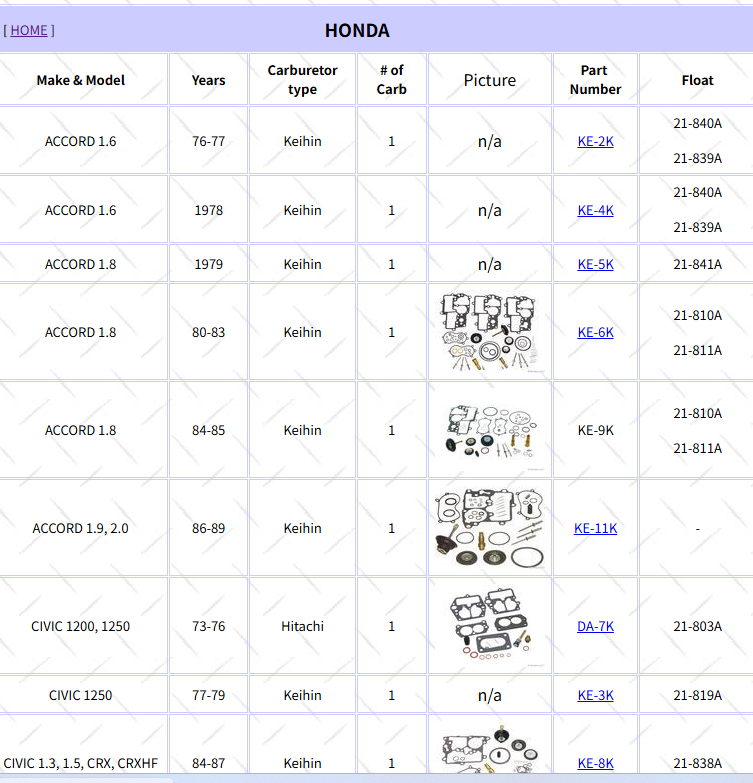
A carburetor repair kit is a small box of inexpensive parts with a very specific job. When it works, nobody thinks about it. When it does not, the whole order becomes a support case.
In our experience, four data gaps cause most of these cases.
1. A model name without a year or market version
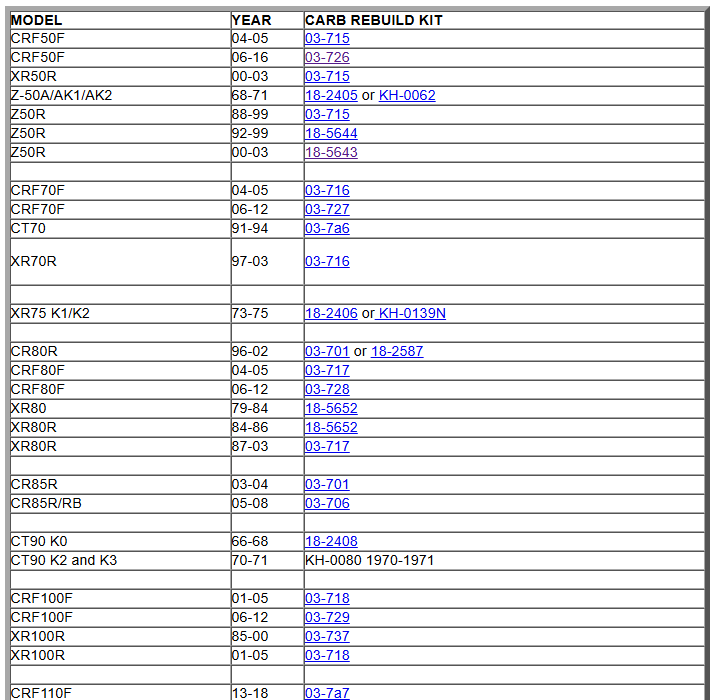
“Fits Model X” is not a fitment statement. The same model name can cover several carburetor configurations across production years and markets. A kit built for one version may be physically wrong for another, even though the listing looks correct.
2. Treat an OEM number as a single answer
An OEM number is a starting point, not a finish line. One number can point to more than one physical kit, and different numbers can lead to the same kit. When a supplier lists a single number and nothing else, the buyer is left to guess.
3. “Repair kit” that does not say what is in the box
A kit may contain jets and gaskets only, or it may include the float, needle, O-rings and screws. Both can be called a “repair kit.” If the contents are not listed item by item, the buyer cannot know whether the kit covers the job or whether they need to source the remaining parts separately.
4. “Universal fit” used as a shortcut
Universal claims shift the risk onto the buyer. For a part that interfaces with fuel, air and engine timing, that risk usually comes back as a return.
What a mismatch actually costs
A returned kit costs more than the kit. It costs outbound shipping, return shipping, inspection labor, a support conversation, and often a review that stays on the listing long after the order is forgotten.
For e-commerce sellers, the second-order effect is worse: fitment-related reviews depress listing conversion, which means the seller sells fewer units of the correct SKU too.
This is why the cheapest kit is rarely the cheapest kit.
Five questions to ask before you place an order
Whether you are sourcing from us or from anyone else, these questions separate a supplier with real fitment control from one with a catalog:
- Which exact years and market versions does this kit cover? Not just the model name.
- Can you provide an OEM cross-reference table? More than one number, with notes on where they overlap.
- What is physically in the box? An itemized list, not a photo of a generic kit.
- Has this kit been test-fitted, and on which bike? A fitment claim without a test-bike reference is an assumption.
- How do you handle a mismatch claim? A clear process matters more than a promise that it never happens.
If a supplier cannot answer these without checking, that is useful information in itself.
How we build fitment data on our side
We make carburetors and repair kits for motorcycles, garden machinery and agricultural machinery. The practical discipline behind fitment is straightforward:
- Build the fitment matrix by model + year + displacement + market version, not by model name alone.
- Validate every OEM cross-reference against a physical sample before publishing it.
- Photograph and itemize every component in the kit, so the buyer knows exactly what arrives.
- Test-fit the kit on the reference bike before release.
- Feed returns and customer feedback back into the matrix, because real fitment data is never finished.
None of this is clever. It is just the work that has to happen before a kit is packed.
A note for buyers in markets with high motorcycle density
In markets where motorcycles are the primary daily transport, the same model often stays in service for many years, with parts from different production batches circulating side by side. A fitment table built from a single catalog is quickly out of date there. Ask your supplier how often their fitment data is updated — and what happens when a new version appears.
Sourcing for specific models?
If you are buying for particular models or markets, send us the list you move most. We will tell you which kits we can match against it, and where we cannot. A short, specific answer is more useful than a full catalog.